
Bell Tower History and Architecture
Discover the fascinating story of Vilnius Cathedral's iconic bell tower—a structure that's shaped the city's skyline for centuries. From its medieval origins to the intricate architectural details visible today, this guide explores what makes the tower a masterpiece of craftsmanship and cultural heritage.
Why the Bell Tower Matters
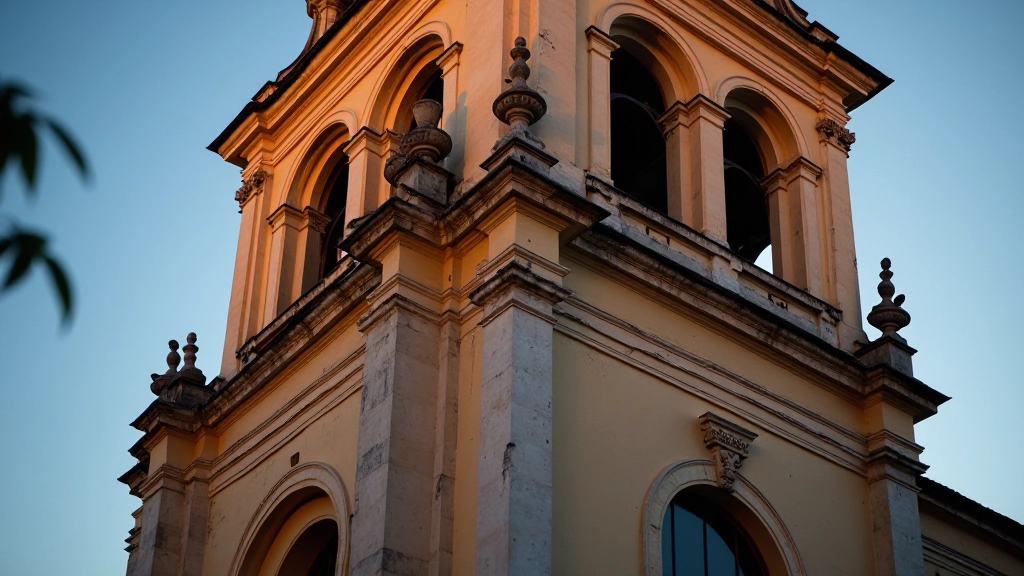
The bell tower isn't just a building—it's the heart of Vilnius Cathedral. It's where history lives. From the moment you approach Cathedral Square at sunset, your eyes are drawn upward to that distinctive silhouette. The tower has witnessed centuries of change, standing through fires, reconstructions, and restorations. Today, it's one of the most photographed landmarks in the city, and for good reason.
Whether you're an architecture enthusiast, a history buff, or simply someone who loves exploring Vilnius on an evening walk, understanding the tower's background enriches the entire experience. You'll notice details you might've otherwise missed—the proportions, the weathered stonework, the way light plays across its surfaces as the sun dips below the horizon.
The Evolution of the Tower
The bell tower's story spans nearly five centuries. It wasn't always the structure we see today. The original tower was built in the 16th century, a modest construction by the standards of European cathedrals. But Vilnius had ambitious plans. The tower needed to be taller, stronger, more impressive.
Major reconstructions happened in the 17th and 18th centuries. These weren't minor repairs—they were complete reimaginings. The tower was elevated, reinforced with thicker walls, and decorated with architectural elements that reflected the styles of those eras. The result? A structure that blends multiple architectural periods into a harmonious whole. You're looking at Renaissance foundations topped with Baroque additions, crowned with elements that hint at the neoclassical movement.
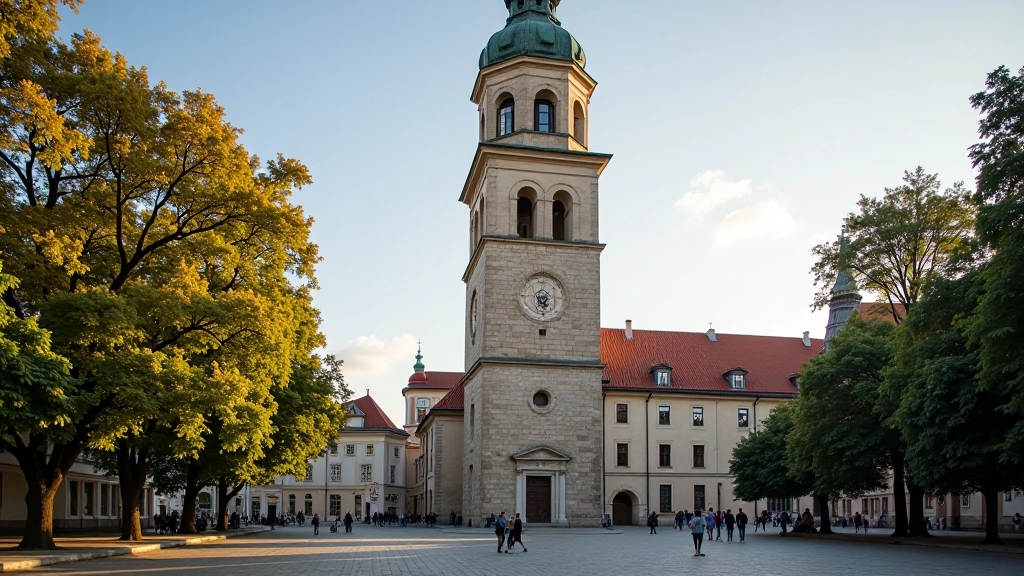
The tower reached its current height—approximately 57 meters (about 187 feet)—by the early 19th century. That's taller than a 16-story building. From the Cathedral Square, that height becomes clear when you tilt your head back to see the cross at the top. It's genuinely impressive when you consider the engineering constraints of the time.
Architectural Details Worth Noticing
The Stonework
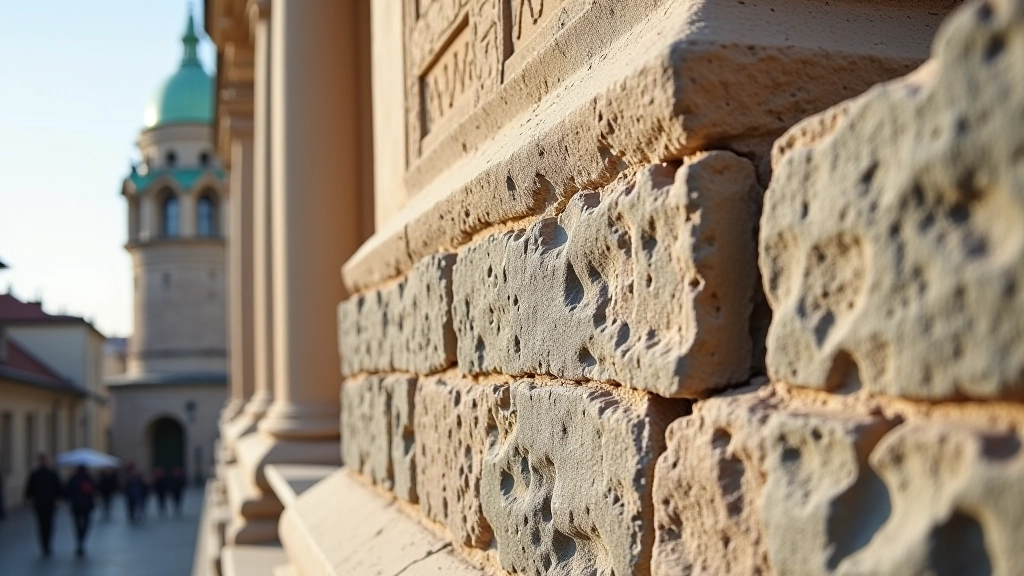
The tower's exterior is clad in limestone and brick, chosen for durability and aesthetic appeal. Look closely—you'll see variations in color and texture. Older sections have weathered differently than newer ones, creating a natural pattern that tells the story of repairs and maintenance over centuries.
The Bell Chamber
Around three-quarters of the way up, you'll notice the bell chamber—a wider section with distinctive openings. These aren't random; they're precisely positioned to let sound project outward. The main bell, cast in the 17th century, weighs several tons. Its tolling has marked time for generations of Vilnius residents.
The Spire and Cross
The tower tapers as it rises, creating an elegant silhouette. The spire at the top is more than decoration—it's a lightning rod, an engineering solution to a practical problem. The cross crowning the tower has been replaced several times, but always remains a symbol of the cathedral's religious significance.
Preservation and Restoration
Maintaining a structure this old isn't simple. The tower's been through renovations in recent decades, particularly in the 1990s and 2000s. These weren't cosmetic touch-ups. Specialists had to carefully clean the stonework, repair damage caused by weather and time, and reinforce internal structures.
What's impressive is how conservators approached it. They didn't strip the tower down and rebuild it new. Instead, they worked to preserve the existing material while making it structurally sound. The patina, the weathering, the marks of centuries—they're still there. That's intentional. It's part of the tower's authentic character.
The restoration also involved the bells themselves. The ancient bell system was preserved and maintained. When the tower bells ring today—particularly during religious holidays—you're hearing the same instruments that have rung for centuries. It's a tangible connection to the past.
The Best Times and Angles to Appreciate It
During Sunset
This is when the tower truly shines. Golden light hits the stonework, creating dramatic shadows that emphasize the tower's form and proportions. The sky turns warm colors behind the spire. If you're visiting Cathedral Square on an evening promenade, position yourself on the cathedral steps facing west. You'll get the full effect.
From Different Distances
Walk around the square. The tower looks different from each vantage point. From close up, you see the intricate stonework details. From the opposite side of the cathedral, you see how the tower anchors the entire building composition. The further you step back, the more you understand its role in the city's skyline.
During Different Seasons
The tower transforms with the seasons. In summer, lush green surroundings provide contrast. In winter, snow occasionally clings to the stonework, creating a completely different aesthetic. Spring and autumn light is often softer, bringing out different textures in the stone.
Evening Light
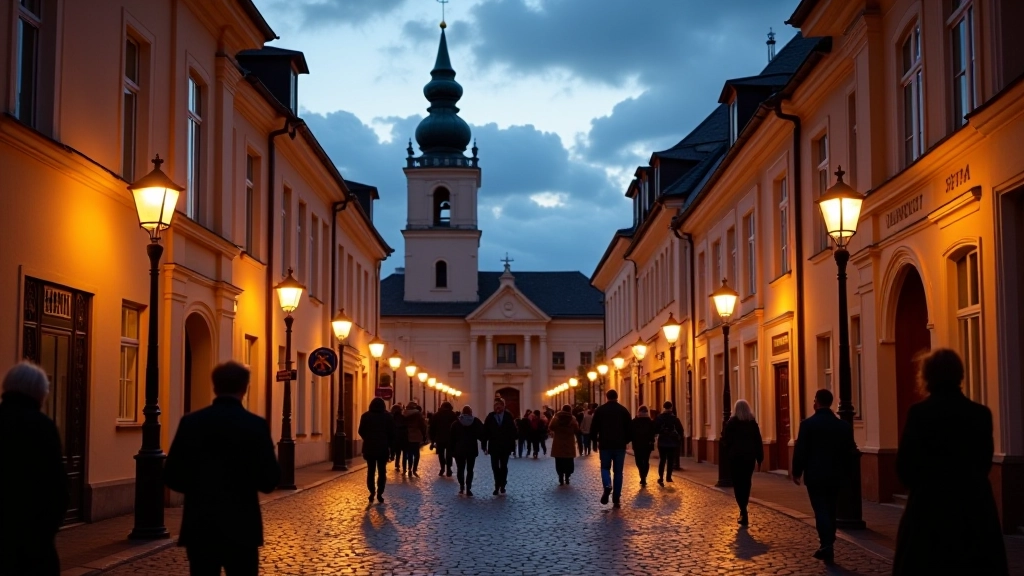
As dusk approaches, the tower begins to catch artificial lighting. Street lamps and cathedral spotlights activate. The interplay between natural and artificial light creates a dramatic effect that's unique to evening walks. This is what makes Cathedral Square special for sunset promenades.
About This Guide
This guide is intended as educational and informational material about the Bell Tower's history and architecture. While we've worked to ensure accuracy, architectural history is a field where interpretations can vary. For detailed academic research or specific technical information, we recommend consulting official cathedral documentation, local historical societies, or architectural preservation organizations. This guide is designed to enhance your appreciation during evening walks through Cathedral Square, not as a definitive academic source.
Taking It All In
Understanding the bell tower's history transforms how you experience it. You're not just looking at a tall structure anymore—you're seeing centuries of architectural evolution, engineering problem-solving, and cultural significance all in one place. The tower tells stories: stories of medieval craftsmen, Renaissance ambitions, Baroque flourishes, and modern conservation efforts.
Next time you're on an evening promenade in Cathedral Square, take a moment to really look up. Notice the variations in the stonework. Imagine the bell-ringers who climbed those stairs. Think about the thousands of sunsets this tower has witnessed. That's when the architecture stops being just facts and dates, and becomes something you genuinely feel.
The bell tower isn't preserved in a museum or behind velvet ropes. It's alive in the city, accessible, part of daily life for Vilnius residents and visitors alike. That's what makes it special. It's history you can walk around, study from different angles, and experience in different light at different times of day. Not many places offer that.

Cathedral Square Editorial Team
Editorial Team
Written by the Cathedral Square Editorial Team, focused on practical, honest guides for evening promenades in Vilnius.
Explore More

Walking the Cathedral Square at Sunset
A complete guide to exploring the square's history, architecture, and best viewing spots.

Gediminas Avenue Evening Stroll
Discover one of Vilnius's most famous streets with detailed route information and landmarks.
Safety Tips for Evening Walks
Essential safety information and practical tips for enjoying Vilnius during evening hours.